
Signs of Hidden Damage After a Fender Bender
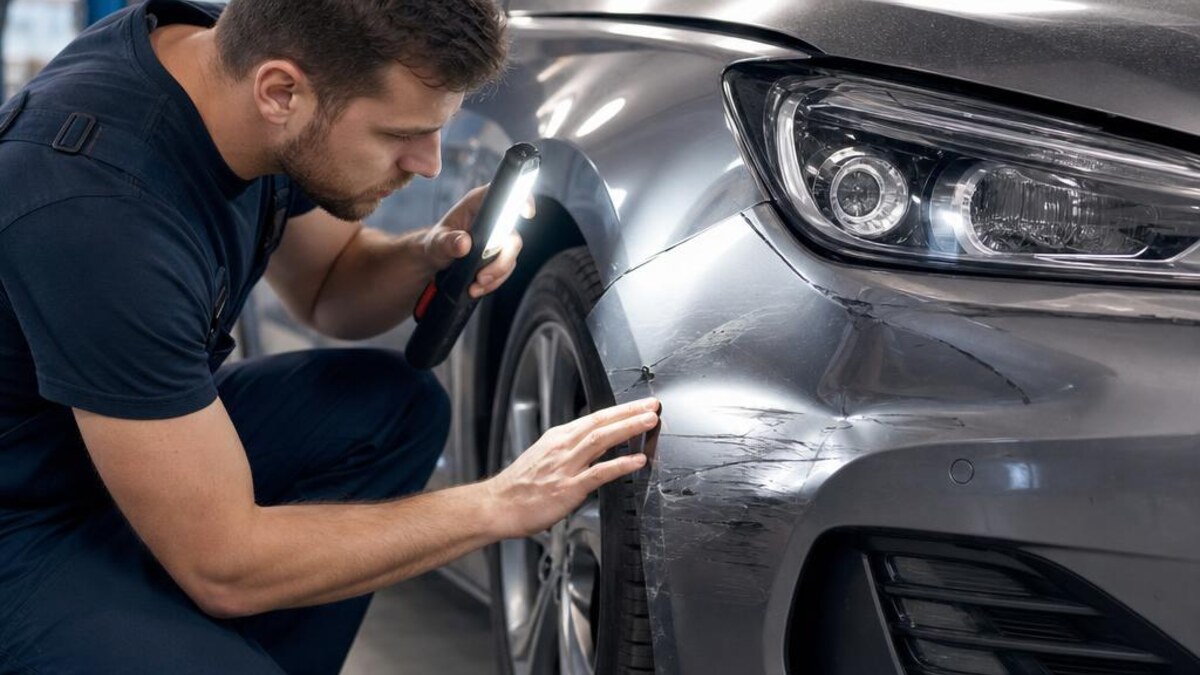
You got into a minor fender bender. The bumper looks a little scuffed, but otherwise your car seems fine. You exchange information, drive home, and move on with your day. But here's what most drivers don't realize—what looks like a small dent on the outside could be hiding serious damage underneath.
At Car Doctors Collision Center in Margate, FL, we inspect vehicles every week that came in for "minor" damage and turned out to need significant repairs. In this guide, we'll walk you through the hidden damage signs you should never ignore after a fender bender.
Why "Minor" Accidents Can Cause Major Damage
Modern vehicles are engineered to absorb impact through crumple zones, energy-absorbing bumpers, and layered structural components. This is great for passenger safety—but it means the damage gets distributed and hidden beneath panels, behind bumpers, and within the frame.
Important: Even a collision at just 5-10 mph can cause thousands of dollars in hidden damage. Never assume the damage matches what you see on the surface.
7 Signs of Hidden Damage After a Fender Bender
1. Misaligned Body Panels
After the accident, take a close look at the gaps between your doors, hood, trunk, and fenders. Are they even on both sides? Uneven gaps—even by a fraction of an inch—can indicate that the frame or structural supports have shifted.
This is one of the most common signs of hidden frame damage that drivers overlook because the car still "drives fine."
2. The Car Pulls to One Side
If your vehicle drifts left or right when driving on a straight, flat road, the impact may have knocked your wheels out of alignment or damaged suspension components. Bent tie rods, control arms, or struts can all result from a fender bender.
Pro tip: Test this on a flat, empty road at low speed. Let go of the steering wheel briefly—if the car drifts noticeably, get it inspected right away.
3. Unusual Noises
Pay close attention to any new sounds after the accident. Hidden damage often reveals itself through noise:
- Clunking or rattling when going over bumps — could indicate loose or damaged suspension parts
- Scraping or grinding — a bent fender liner, heat shield, or exhaust component rubbing against something
- Squealing when braking — brake components may have been impacted
- Hissing or whistling — possible damage to seals, weatherstripping, or cooling lines
4. Trunk or Doors Don't Close Properly
If your trunk, hood, or doors suddenly require more force to close—or won't latch at all—this is a strong indicator of structural misalignment. The body has shifted enough to move the latch mechanisms out of position.
Don't force them closed and hope it resolves. This type of issue only gets worse over time and can lead to water leaks and wind noise.
5. Fluid Leaks Under the Car
Check under your car for any new fluid spots after the accident. Even a low-speed rear-end collision can crack or puncture:
- Transmission lines (reddish fluid)
- Coolant hoses or radiator (green, orange, or pink fluid)
- Brake lines (clear, oily fluid — this is a safety emergency)
- Power steering lines (light brown or red fluid)
Warning: If you see brake fluid leaking, do not drive the vehicle. Have it towed to a repair shop immediately.
6. Warning Lights on the Dashboard
Modern vehicles have dozens of sensors that monitor everything from airbag readiness to engine performance. A fender bender can trigger warning lights that indicate:
- Check engine light — damaged sensors, loose connections, or exhaust issues
- ABS light — wheel speed sensors may have been damaged
- Airbag light — impact sensors may have deployed or malfunctioned
- TPMS light — tire pressure sensors damaged by impact
- Parking sensor or camera warnings — rear-mounted sensors are often damaged in rear-end collisions
7. Bumper Damage That's More Than Cosmetic
Modern bumpers are designed with multiple layers: the outer bumper cover (plastic), an energy-absorbing foam insert, and a reinforcement bar behind it. What looks like a simple scuff on the outer cover could mean:
- The foam absorber is crushed and can no longer protect you in another collision
- The reinforcement bar is bent or cracked
- Mounting brackets are broken, leaving the bumper poorly attached
- Sensors for parking assist, blind spot monitoring, or adaptive cruise control are misaligned
What to Do After a Fender Bender
Even if the damage looks minor, follow these steps to protect yourself:
Step 1: Document Everything
Take photos from every angle—close-ups of the damage and wide shots showing the full vehicle. Include photos of the other car, the scene, and any debris.
Step 2: File a Police Report
Even for minor accidents in Florida, a police report creates an official record that protects you if hidden damage is discovered later.
Step 3: Contact Your Insurance
Report the accident promptly. Waiting too long can complicate your claim, especially when hidden damage shows up weeks later.
Step 4: Get a Professional Inspection
Bring your vehicle to a certified collision repair shop like Car Doctors for a thorough inspection. We use computerized measuring systems and trained eyes to find damage you can't see.
Why You Should Always Get a Professional Inspection
At Car Doctors Collision Center, we've seen countless cases where drivers skipped the inspection after a fender bender and paid the price later:
- A small rear bumper dent that hid a cracked reinforcement bar — making the car unsafe in a future collision
- Misaligned suspension from a parking lot bump that caused $800 in uneven tire wear over six months
- A "cosmetic only" front-end hit that cracked the radiator support, leading to an overheating engine two weeks later
A professional inspection takes about 30 minutes and can save you thousands in future repairs—not to mention keeping you and your family safe.
FAQs About Hidden Fender Bender Damage
How much does it cost to inspect a fender bender?
At Car Doctors, we offer free visual inspections and estimates. If deeper diagnostic work is needed, we'll let you know upfront.
Can I wait a few weeks to get my car inspected?
We recommend getting inspected within a few days. Waiting can allow small issues to worsen and may complicate insurance claims.
Will my insurance cover hidden damage found later?
Usually yes, if you filed a claim promptly after the accident. This is called a "supplement" and is common in collision repair. We handle supplement paperwork daily.
Is it safe to drive after a fender bender?
If your car drives normally, has no warning lights, and no fluid leaks, it's generally safe to drive to a repair shop. But if anything feels off, call for a tow.
Been in a Fender Bender? Get a Free Inspection
Don't let hidden damage become a bigger problem down the road. Bring your vehicle to Car Doctors Collision Center for a thorough, no-obligation inspection.
Call us at (954) 907-2869 or stop by 206 Margate Court, Suite 204, Margate, FL 33063.
Proudly serving Margate, Coral Springs, Coconut Creek, Pompano Beach, and all of South Florida.