
Preparing Your Car for Florida's Hurricane Season
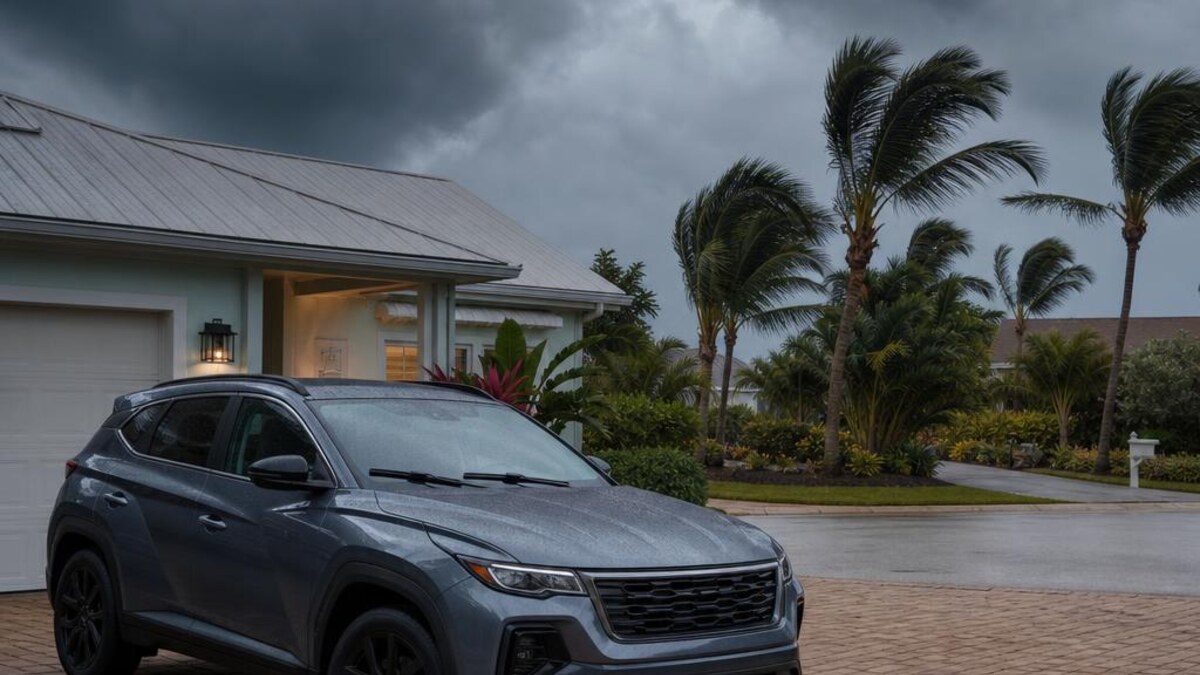
Hurricane season in Florida runs from June 1 through November 30, and Margate sits right in the path of some of the most active storm activity in the country. At Car Doctors Collision Center, we see the aftermath every year—vehicles damaged by wind-driven debris, flood water, fallen branches, and improvised parking choices. The good news? With the right preparation in May, you can protect your vehicle and avoid costly repairs later.
This guide walks you through exactly what to do before, during, and after a storm to keep your car safe.
Why May Is the Time to Prepare
Waiting until a storm is on the radar is too late. By the time a hurricane watch is issued, gas stations are out of fuel, auto shops are booked solid, and the safest parking spots are already taken. May is the sweet spot—warm enough to handle outdoor prep, but early enough that you'll beat the rush.
Tip: Use the first week of May as your "hurricane prep weekend." Just one Saturday of work now can save you thousands in storm damage later.
Step 1: Inspect and Fix Existing Damage
Small problems become big problems during a storm. A tiny chip in your windshield can crack across the whole pane the first time hurricane-force winds hit it. A loose trim piece can rip off and become flying debris.
Before June 1, have a professional inspect:
- Windshield and windows — repair any chips or cracks; replace if damaged
- Door seals and weather stripping — make sure water can't get in
- Wiper blades — replace if they're worn (you'll need them in heavy rain)
- Loose trim, mirrors, or molding — secure or repair anything that could rip off
- Tires — check tread depth and pressure; bald tires hydroplane on flooded roads
- Battery — Florida heat kills batteries; a weak one will fail when you need it most
Step 2: Document Your Vehicle's Condition
If your car is damaged in a storm, insurance claims go much smoother when you have proof of what your vehicle looked like before. Take 5 minutes to:
- Photograph your vehicle from all four sides and corners
- Capture close-ups of any existing dents, scratches, or chips
- Photograph the interior, including the dashboard and odometer
- Save photos to cloud storage (not just your phone)
- Record your VIN, license plate, and insurance policy number
These photos prove what damage is new versus pre-existing—and can be the difference between a denied claim and a covered repair.
Step 3: Review Your Insurance Coverage
Hurricane damage is typically covered by comprehensive insurance, not liability. If you only carry liability coverage, you'll pay for storm damage out of pocket. Now is the time to check:
- Do you have comprehensive coverage?
- What is your deductible?
- Does your policy cover flood damage to the vehicle?
- Is rental car coverage included if your car is in the shop?
Important: Most insurance companies stop accepting policy changes 24-48 hours before a named storm approaches Florida. If you want to upgrade coverage, do it in May—not when a storm is forming.
Step 4: Plan Your Storm Parking
Where you park during a hurricane matters more than almost anything else. In order of best to worst:
- Enclosed garage — by far the safest option
- Parking garage — middle floors are best (top floor exposes you to wind, ground floor to flooding)
- Covered carport — protects from debris but not from side winds
- Open driveway away from trees — better than parking under trees
- Street parking — last resort; avoid low-lying areas that flood
Never park under: large trees, power lines, construction scaffolding, signs, or anything that could fall onto your vehicle.
Step 5: Build a Vehicle Emergency Kit
Keep an emergency kit in your trunk all hurricane season. Pack:
- Bottled water (at least 1 gallon per person)
- Non-perishable snacks (granola bars, jerky, nuts)
- Flashlight with extra batteries
- Portable phone charger / power bank
- First aid kit
- Jumper cables
- Tire repair kit and small air compressor
- Roadside reflectors or flares
- Paper map of South Florida (in case GPS fails)
- Copies of insurance and registration in a waterproof bag
When a Storm Is Coming: 72-Hour Checklist
When a hurricane watch is issued, here's what to do:
- Fill up your gas tank — gas stations run out quickly
- Wash and wax your car — wax creates a protective barrier against debris and acid rain
- Move your vehicle to safe parking — don't wait until the storm arrives
- Cover your car if outdoors — use moving blankets and a car cover, or layer with cardboard
- Remove valuables and important documents from the vehicle
- Take updated photos of your car before the storm hits
- Charge your phone and download offline maps
After the Storm: What to Do Next
Once the storm passes and it's safe to go outside:
- Inspect carefully before driving. Check for fallen branches, debris, broken glass, and flooding around the vehicle.
- Don't start the engine if your car was in flood water. Water in the engine can cause catastrophic damage. Have it inspected first.
- Document any damage with photos before moving the vehicle.
- Contact your insurance company immediately to start a claim.
- Avoid driving through standing water. Just 12 inches can sweep a car away, and even shallow water can flood your engine.
- Watch for downed power lines—stay at least 30 feet away.
- Bring your car to Car Doctors for inspection if you suspect any damage, even cosmetic.
Hidden Damage You Might Miss
Storm damage isn't always obvious. Some of the most expensive problems hide beneath the surface:
- Flood damage to electrical systems — may not show up for weeks or months
- Water in the transmission or differential — destroys components over time
- Mold inside the cabin — forms within 48 hours of water exposure
- Hail dents on the roof — easy to miss but affect resale value
- Paint damage from acid rain or debris — small chips lead to rust in our salty air
- Frame stress from impact — fallen branches can warp structural components
If your vehicle was through a storm, a professional inspection is the only way to be sure. At Car Doctors, we offer free post-storm inspections every hurricane season.
Car Doctors Is Here to Help
Every year after a major storm hits South Florida, our shop fills up fast. We prioritize emergency repairs, work directly with all insurance carriers, and help you get your vehicle back on the road quickly. Here's what we offer hurricane season:
- Free pre-season inspections — catch issues before the storms arrive
- Free post-storm damage assessments — including hidden damage
- Direct insurance billing — we handle the paperwork
- Storm priority scheduling for customers in our system
- Lifetime warranty on all collision repairs
- Bilingual service — English and Spanish
Get Your Car Storm-Ready Now
Don't wait until a storm is on the way. Bring your vehicle to Car Doctors Collision Center for a free pre-season inspection. We'll identify any issues that could turn into major damage during a hurricane.
Call (954) 907-2869 or stop by 206 Margate Court, Suite 204, Margate, FL 33063.
Proudly serving Margate, Coral Springs, Coconut Creek, Pompano Beach, Tamarac, and all of South Florida through every hurricane season.